Tag Archives: expat mom / mum / mother

Do you understand the news in Swedish?

Listening to the radio you probably can’t avoid the news. The news are usually read in a fast pace, and what I find after having returned to Sweden, contain a lot of slang words that didn’t use to belong there. Only the other day I heard them use the Swenglish word “hosta” as in “to host” talking about a major sports event on the news.

If you are learning Swedish you might want to try to listen to Klartext. Klartext is a news program by the Swedish Radio channel P4. The news is easier to follow than regular news since the pace is slower and the words used are easier to understand.

You can either listen to the radio (18-18.10 on weekdays), via the web page, as a podcast or via an app on your phone. The app is called SR Play. Listening to Klartext is a good way of practicing your understanding of spoken Swedish, perhaps in addition to your Swedish classes.

You can also read their news on the website.

Visit Klartext’s website to practice your Swedish! You will find links to the news, the app and pod casts here, as well as the written news.

For English info on Klartext go here.

Please leave a comment – have you tried it? Did you find it difficult?

Easter witches

20130329-161516.jpg

Last year I remember we had a very vivid discussion in my expat network about the Swedish tradition of dressing up as an Easter witch. People were appalled by the thought of it; seeing Easter witches as something dark and scary. It can be hard to understand and accept other culture’s traditions and it can be equally hard for a person familiar to them to get why they can be provoking or upsetting. We are usually so caught up with and used to the traditions (hence the word) that we don’t really think about the whys and hows and what it can possible look like to an outsider.

I tried to explain that the Easter dressing up is like Halloween – kids knock on doors, sometimes leaving a homemade Easter card and hope for candy in return. But we all have different references to witches (come on, we do!) and it wasn’t until I googled pictures of cute little Easter witches that we all agreed that it wasn’t such a bad thing after all! Boys and girls dress up in long colorful skirts and headscarves (the most important attribute) and red colored cheeks and lots of freckles. Lately we also see little Easter Men and Bunnies.

The word “påskkärring” actually does not even mean Easter witch but rather “Easter Old Woman”. There is very little in common with the witches people believed in during the 17th Century – also people did not drink coffee in Sweden at the time, and a dressed up kid usually carries a coffee pot around accompanying the broomstick; sometimes even a black cat.

So, when can you expect them to arrive – the kids, not the witches? On the West coast of Sweden it is mostly common to be visited by påskkärringar during Easter Saturday, whereas Thursday is more common in the rest of the country.

10 Quick tips on how to plan your stay when living abroad or traveling

Living abroad or traveling – tips for exploring and sightseeing

When I arrive in a new place I’m always eager to explore the surroundings. Sometimes I already know what I would like to see, sometimes I don’t have a clue. One thing I know though is that I don’t want to leave feeling I have missed out on places and things to discover simply because it “just didn’t happen”. This is an advice I always share with expats getting ready to leave for a new destination; do not go back without stories to tell, and memories to savor!  We all know that time flies so start planning your stay abroad! Below I’m sharing some of my tips to help exploring a new location. They are not only valid for living abroad but work for traveling and vacation too!

10 Quick tips on how not to miss out on places to go when living abroad or traveling

Here are a few tips for your inspiration
on planning what you want to experience in your adopted country and to get you going!

  • Start right away
  • Try apps such as Stuck on Earth or let Google World Wonders Project inspire you.
  • Stock up on guide books – still my favorite source for inspiration, and excellent to save as memories. Notes in them makes it more personal!
  • Ask people for tips – in person or on internet forums.
  • Local papers – ads and what-to-dos sections can provide ideas even if you don’t master the language.
  • Don’t limit yourself to searching the Internet – there are lots of accounts on
    Twitter providing tips on cities and regions. Facebook and Google+ works too! Instagram needless to say offers travel eye candy!
  • Take into account how long your expatriate / travel adventure is planned to last.
  • Make a list of want-to-sees, top priorities first.
  • Schedule trips and visits for your stay. Actual dates are great but “in May”, “by end of summer” and “3 things off the list in a month” works well!
  • Be realistic! Don’t overdo it but make sure you do do it! Happy discovering when living abroad!tips for expats on living abroad and traveling

Inspirational talk on children/parents and digital media

Two days ago I participated in a seminar on social media. Again the discussion on kids and the internet arose. It probably does with every new phenomenon. I read somewhere that it was the all same when radio started to broadcast. The discussions and fear of ruining the young were just the same. Of course we see it differently today – how could radio be harmful? The internet is an exposure on a whole different level. Not only personal safety is on the agenda but also the impact on health issues. We as parents are faced with new challenges compared to generations before us – we are the first generation to have absolutely no clue about what the future for our kids will hold.

To give you some food for thought and hopefully insights you can visit the open free lecture arranged by “Föräldrar emellan” in Kungsbacka. Micke Gunnarsson will talk about our changing world and digital media, and the impact hereof on children and their parents! The lecture is in Swedish. No need to sign up.

Thurs March 21st, 18.30-21 se link to Föräldrar emellan for details. Also in Swedish.

20130320-232348.jpg

What are your biggest struggles learning Swedish?

What are your major struggles learning Swedish?

Replies to this question via twitter and IRL include trying to actually speak it. Most people in Sweden are fairly happy to speak English which makes it easy to avoid using Swedish in every situation that holds the opportunity.

Another common answer is the prononciation of “sje-ljudet”.

Fitting Swedish classes in in a busy schedule, or having babies and young children at home all day also make it difficult to study. Here Skype works well – no time wasted on travelling to class and you can do it with babies and toddlers at home. Want to learn more?


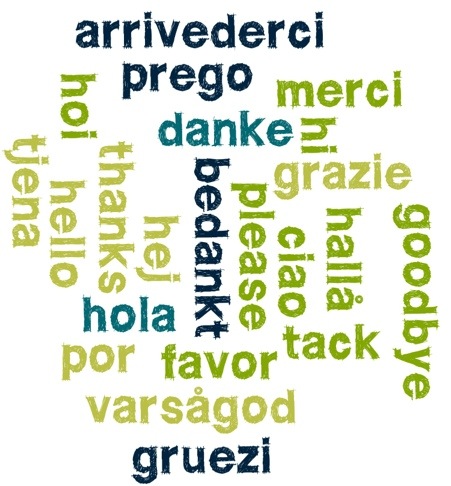
Learn a few words before you travel

Knowing at least a bit of the local language is important to adapt to a new culture. Learn how to greet before your move, and how to say thank you, and teach your kids too. This is a good start when arriving. I remember my mother taught me how to say “play” in German, on the ferry, when I at the age of seven went to Germany for the first time. It was a very good word to know to start playing with other kids on the boat.

Also for vacationing purposes it is fun to know a bit of the local language. When I was working as an Italian teacher the basic courses usually involved a lot of tourist conversations – food, restaurants, travelling, shopping, accommodation. And the text books contained quite a few pretty pictures 😉 .

Some try to learn the language before they go, some start once they get there. I have done both. What about you? What worked well?


20130308-231400.jpg

International women #IWD

20130308-092851.jpg

Accompanying spouses need to take on many new roles. Let me introduce to you

  • the Moving Queen
  • the Relo Expert
  • the Resilience Champion
  • the No. 1 Assignment Glue

Many employers and relocation organizations count on them. What about acknowledgement? I once heard of a spouse that received a “thank you” from her husbands employer. She said it was easily done but meant a lot to her.

What are your experiences?

Spring – for a while at least.

Spring is definitely in the air. It is still cold, but it is sunny!! Birds are singing and the little snow we have had this season is long gone. It is not pitch dark but bright day light when I get up in the morning.The daffodills grow each day and I´ve had coffee outside in the garden twice already. It can only get better. But according to the weather news it can appararantly get worse too. Winter is supposed to be back for a visit next week, and March promises to be the coldest March in a long time. Warmer times will not be here until May. WHAT???

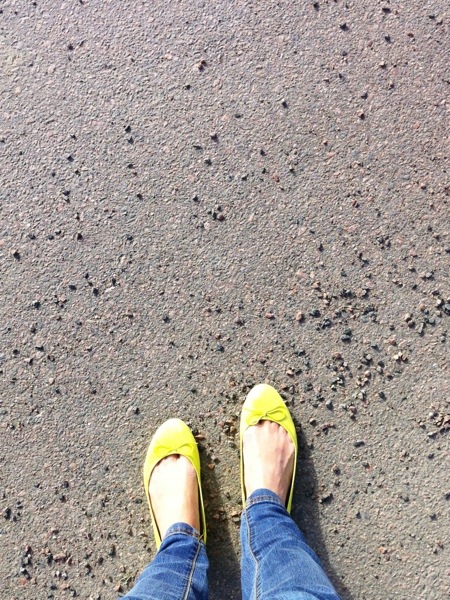
So, during lunch break I needed to step outside for a few minutes in my new spring shoes before the snow revisits. I took the opportunity to shoot a short video for teaching Swedish while I was at it.

20130307-122055.jpg

Expat hand-me-downs

Living a life where you meet people from different cultures and parts of the world equals living a life of constant discovery and learning. You taste new food, learn about other views of life and take part in  fascinating traditions. I have written about Cinco de Mayo and Cheese fondue, of Fredagsmys and Midsummer. I have also pointed out, to myself, that a lot of traditions are food related :). I love trying new dishes, and gladly collect recipes from friends called Martha, google and … well, closer friends too.

Naomi has also been thinking about food secrets and hand-me-downs. If you’re an expat you know that it’s not only easily stored artifacts like recipes that is left behind when nomadic people set off on their next adventure. You can read about Naomi’s thoughts here and learn what some people have shared on their expatriate journeys.

Do you have any treasured expat hand-me-downs? Did you leave something behind?